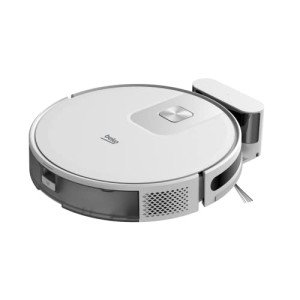
Say Goodbye to Chores: A Comprehensive Guide to Robot Vacuum Cleaners in the UK
In today's fast-paced world, household tasks often take a rear seat to work, family, and leisure. For numerous in the UK, the prospect of spending valuable downtime vacuuming floorings is less than appealing. This is where robot vacuum have actually emerged as game-changers, providing a practical and increasingly advanced service to keep homes clean with very little effort. These автономные cleaning gadgets have actually transitioned from futuristic devices to necessary home devices, flawlessly integrating into contemporary UK households.
This article dives into the world of robot vacuum cleaners in the UK, supplying a useful guide for anyone considering accepting this time-saving innovation. We will explore how they work, the myriad benefits they use, important aspects to think about when purchasing one, and useful suggestions for optimizing their efficiency.
How Do Robot Vacuum Cleaners Work?
At their core, robot vacuum cleaners are ingeniously developed machines geared up with a mix of sensors, motors, and cleaning mechanisms that allow them to navigate and tidy floors autonomously. While models vary in intricacy and features, the fundamental principles remain consistent.
Many robot vacuums utilise a suite of sensing units to map their surroundings and prevent challenges. These sensors can include:
- Bump Sensors: These identify physical contact with items, prompting the robot to alter instructions and avoid accidents.
- Cliff Sensors: Essential for homes with stairs, these infrared sensing units identify drops and avoid the robot from falling.
- Wall Sensors: Allow robots to follow walls and edges for comprehensive cleaning along boundaries.
- Optical and Gyroscopic Sensors: Used in more sophisticated models, these sensing units help with navigation and mapping, enabling methodical cleaning patterns instead of random motions.
- LiDAR (Light Detection and Ranging) and Visual SLAM (Simultaneous Localization and Mapping): Found in higher-end robots, these technologies produce detailed maps of the home, permitting effective and accurate navigation, space recognition, and virtual limit setting through smartphone apps.
Beyond navigation, robot vacuums employ different cleaning parts:
- Side Brushes: Rotating brushes that sweep particles from edges and corners into the path of the main brush.
- Main Brush Roll: Typically a round brush, frequently with bristles and rubber blades, that agitates carpets and sweeps up dirt and debris. Some models provide interchangeable brush rolls optimized for either carpets or hard floorings.
- Suction Motor: Creates suction to raise dirt and dust from the floor and into a dustbin within the robot. Suction power varies considerably in between designs.
- Filters: Crucial for trapping great dust particles and irritants. Lots of robot vacuums, particularly those intending for pet owners or allergy patients, incorporate HEPA (High-Efficiency Particulate Air) filters.
Powering these functions is a rechargeable battery. As soon as the battery is low, or cleaning is complete, most robot vacuums instantly return to their docking station to recharge, prepared for the next cleaning cycle.
The Enticing Benefits of Robot Vacuum Cleaners
The popularity of robot vacuum cleaners originates from the many benefits they bring to the table, particularly for busy people and households in the UK.
Here are some crucial benefits:
- Convenience and Time-Saving: This is arguably the most significant draw. Robot vacuums maximize your time by automating a laborious task. Set a schedule or start them remotely while you are at work or relaxing.
- Constant Cleanliness: Robot vacuums can be programmed to tidy daily, ensuring your floors are consistently tidier than with irregular manual vacuuming.
- Pet Hair Management: A major concern for numerous UK homes with family pets. Robot vacuums, particularly those with strong suction and specialized brush rolls, are extremely effective at getting pet hair, dander, and allergens.
- Improved Air Quality: Models with HEPA filters assist to trap fine dust, pollen, and pet dander, adding to cleaner and healthier indoor air, especially helpful for allergy and asthma sufferers.
- Ease of access: For individuals with movement concerns, the elderly, or those with restricted physical strength, robot vacuums use a way to maintain tidy floors without the pressure of standard vacuuming.
- Under-Furniture Cleaning: Robot vacuums can easily reach under sofas, beds, and other furnishings where standard vacuums battle, tackling dust bunnies in hard-to-reach locations.
- Smart Home Integration: Many contemporary robot vacuums can be connected to smart home ecosystems, allowing voice control through gadgets like Amazon Alexa or Google Assistant, and permitting for remote control and scheduling through mobile phone apps.
Navigating the UK Market: Factors to Consider When Choosing a Robot Vacuum
The UK market provides a wide variety of robot vacuum cleaners, ranging in price, functions, and abilities. To make an informed decision, consider these important elements:
- Floor Type: UK homes often include a mix of carpet and tough floorings (wood, laminate, tile). Choose a robot vacuum designed for your main floor type, or one that excels on both. Look for models with adjustable suction levels and brush rolls appropriate for numerous surfaces.
- Suction Power: Higher suction power is vital for effectively cleaning carpets, carpets, and getting pet hair. If you have mainly tough floors or minimal carpets, slightly lower suction might be adequate.
- Navigation and Mapping:
- Random Navigation: Budget-friendly designs typically use bump sensors and random patterns. Less efficient, however can still clean up effectively gradually.
- Organized Navigation: Utilizes sensing units and algorithms to clean up in organized patterns (e.g., rows or S-shapes). More efficient and much faster cleaning.
- LiDAR/Visual SLAM Mapping: High-end designs develop detailed maps of your home, allowing room-by-room cleaning, virtual borders, no-go zones, and more precise navigation.
- Battery Life and Charging: Consider the size of your home. Bigger homes require longer battery life. Look for designs with auto-docking and resume features that automatically recharge and continue cleaning where they ended.
- Functions:
- Mopping Function: Some robot vacuums provide mopping abilities, either as a standalone mop or a combined vacuum-mop. Consider if this is a preferred function for your hard floorings.
- App Control and Smart Home Integration: Apps offer functions like scheduling, remote start/stop, cleaning history, map viewing, and virtual limits. Smart home integration permits voice control.
- Virtual Walls and No-Go Zones: Physical or virtual limits can avoid the robot from going into particular locations or rooms. Beneficial for safeguarding delicate products or keeping the robot out of kids's play areas.
- Sound Level: Robot vacuums are usually quieter than standard vacuums, but noise levels can differ. If noise is a concern, check product specs for decibel rankings.
- Dustbin Capacity and Emptying: Consider the dustbin size. Smaller sized bins might need more frequent emptying, specifically for homes with pets or heavy shedding. Some premium designs offer self-emptying bins that move dust to a bigger container in the docking station.
- Rate and Budget: Robot vacuum rates vary significantly. Determine your budget plan and focus on functions that are crucial to you. Keep in mind that higher rate frequently associates with more advanced functions, much better navigation, and possibly longer life expectancy.
- Brand Name Reputation and Reviews: Research trustworthy brand names and read consumer reviews to determine reliability, efficiency, and client support. Popular brands in the UK market consist of iRobot Roomba, Shark, Eufy, Roborock, and Dyson (though Dyson's robot vacuum range is presently limited).
Tips for Maximizing Your Robot Vacuum Experience
To guarantee your robot vacuum performs efficiently and lasts for several years to come, follow these pointers:
- Prepare the Area: Before each cleaning cycle, ensure floors are clear of cables, little toys, and other obstacles that could tangle brushes or block the robot.
- Regular Maintenance: Empty the dustbin routinely. Clean reference , side brushes, and filters as suggested by the manufacturer. Replacing filters regularly will keep ideal suction and air purification.
- Set Up Cleaning Strategically: Program your robot vacuum to clean throughout times when you run out your home or when you are unwinding in another space to lessen disruption.
- Make Use Of Virtual Walls/No-Go Zones: Set up boundaries to safeguard delicate locations or keep the robot consisted of within particular spaces as required.
- Run it Regularly: For constant cleanliness, schedule your robot vacuum to clean everyday or numerous times a week, even if simply for a quick maintenance tidy.
- Screen Performance: Periodically check the dustbin and cleaning results to guarantee the robot is working effectively. If you see a reduction in performance, inspect and clean up the components.
Robot vacuum cleaners offer a compelling service for maintaining tidy floorings in the UK with minimal effort. By comprehending their performance, considering your specific requirements and home environment, and choosing carefully from the diverse range available, you can purchase a gadget that genuinely maximizes your time and boosts your home. From dealing with pet hair to navigating intricate floorplans, modern robot vacuums are intelligent cleaning buddies that can considerably simplify home chores and bring a brand-new level of convenience to your life.
Often Asked Questions (FAQs) about Robot Vacuum Cleaners
Q: Are robot vacuum cleaners worth the money?
A: For many individuals, yes. The benefit and time-saving benefits are substantial, particularly for hectic families, pet owners, and those with mobility limitations. While the preliminary investment can be higher than a standard vacuum, the long-lasting value in regards to time saved and consistent cleanliness makes them beneficial for many.
Q: Can robot vacuums successfully clean pet hair?
A: Yes, many robot vacuums are specifically designed for pet hair elimination. Search for designs with strong suction, specialized brush rolls (typically rubber or silicone), and HEPA filters. Regular cleaning with a pet-focused robot vacuum can considerably decrease pet hair build-up.
Q: Do robot vacuums work on carpets?
A: Yes, most robot vacuums can clean carpets, however efficiency varies. For thicker carpets, choose designs with greater suction power and brush rolls developed for carpet agitation. Some spending plan designs may struggle on deep pile carpets.
Q: How typically should I run my robot vacuum?
A: Daily cleaning is ideal for preserving regularly tidy floorings. However, even running it a few times a week will be beneficial. Set up cleaning based on your needs and lifestyle.
Q: How long do robot vacuum cleaners last?
A: The lifespan of a robot vacuum depends on the brand, model, and usage. With appropriate maintenance, a great quality robot vacuum can last for a number of years, normally 3-5 years or more.
Q: Do robot vacuums need much upkeep?
A: Routine upkeep is necessary, however fairly easy. This mainly includes emptying the dustbin, cleaning brushes and side brushes, and replacing filters periodically. Following the manufacturer's guidelines will guarantee optimal efficiency and durability.
Q: Are robot vacuums loud?
A: Robot vacuums are typically quieter than traditional upright or cylinder vacuums. Noise levels differ between designs, but they are normally designed to be less noticeable.
Q: Can robot vacuums drop stairs?
A: No, many robot vacuums are geared up with cliff sensing units that identify drops and prevent them from falling down stairs.
Q: What are the various types of navigation in robot vacuums?
A: The main types are:
- Random Navigation: Bounces around randomly, depending on bump sensors.
- Systematic Navigation: Cleans in organized patterns (rows, S-shapes).
- LiDAR/Visual SLAM Navigation: Creates detailed maps for exact and effective cleaning with sophisticated functions.